Nike Launches the Long-Awaited Alphafly 4, Lighter and Softer Than Its Predecessor
October 2, 2026
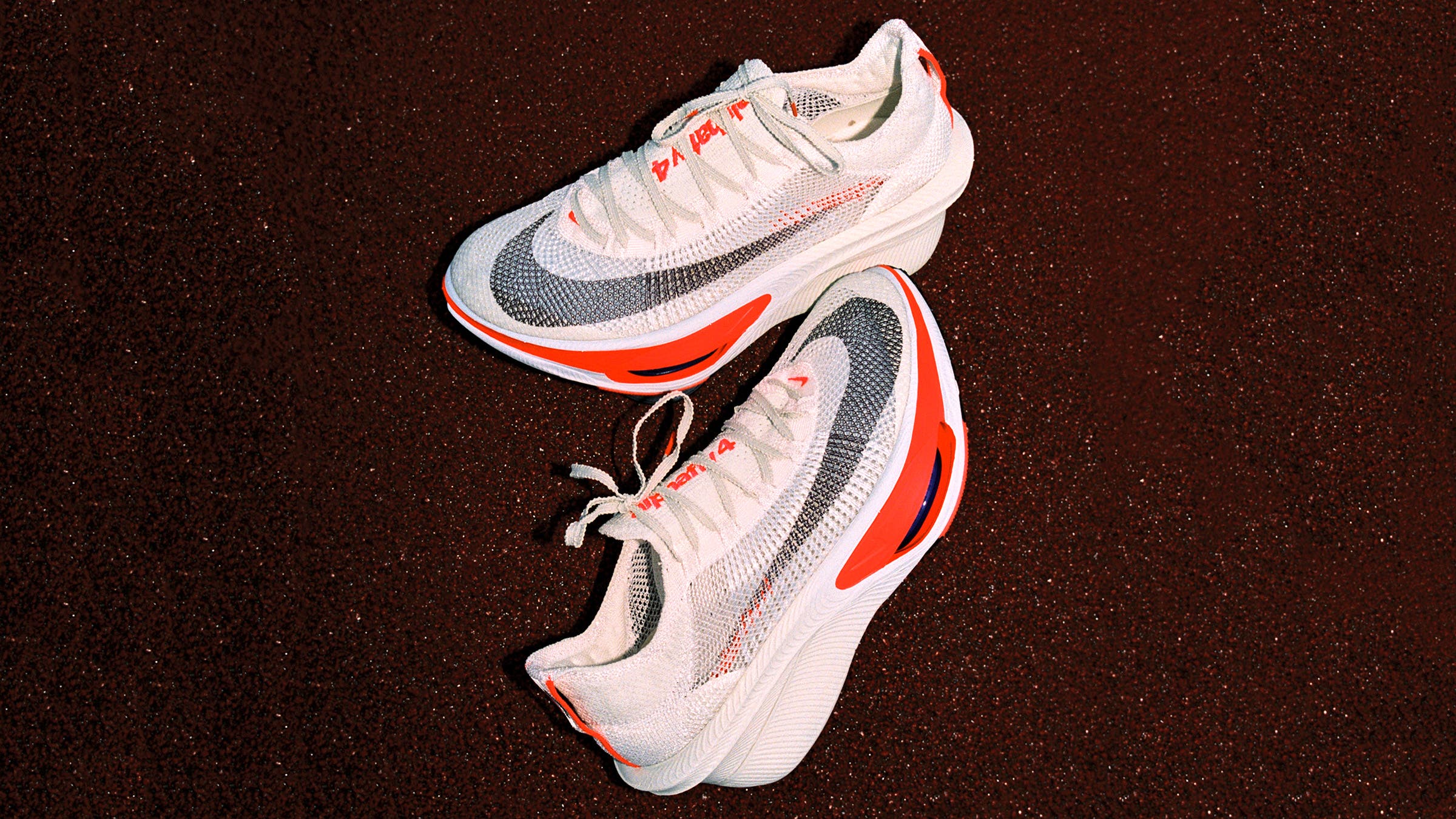
Foto vía Outside Run
Two and a half years of waiting are over. Nike just confirmed that the Alphafly 4, the flagship shoe of its competition line, hits stores on October 29 — just as the strongest marathon season of the year kicks off (Chicago is already done, but New York, Valencia, and many others are right around the corner). It weighs 6.6 ounces (approximately 187 grams), features renewed foam, and promises to be softer than its predecessor. If you're running marathons or half-marathons with time goals, this matters to you: the shoe you wear can be the difference between a PR and an "almost."
The Context
The Alphafly, along with the Vaporfly, is the spearhead of the "super shoe" revolution that transformed elite and recreational running since 2017. The winning formula: ultra-reactive foam (typically PEBA), a carbon fiber plate that acts as a lever for your stride, and curved geometry (rocker) that helps "roll" your foot forward with less muscular effort.
The Alphafly, unlike the Vaporfly (lighter and designed for runners with good technique), is built purely for the marathon: it has more foam, more cushioning, and air pockets (Zoom Air) under the forefoot to maximize energy return in the final kilometers, when your legs are already hurting. Eliud Kipchoge ran with prototypes of this model when he broke the two-hour barrier in Vienna in 2019 (in an unofficial race, but symbolically historic).
Nike taking two and a half years to release a new version isn't by chance: each generation requires redesigning foam formulas, testing plate geometry, and validating in the lab and in the field with elite athletes. That this version is both lighter AND softer — two attributes that typically work against each other in shoe design — suggests Nike found a new foam formulation with a better weight-cushioning-energy-return ratio.
What the Science Says
The evidence on carbon-plate shoes and advanced foam is among the most solid that exists in sports technology: studies have shown consistent improvements in running economy (the energy cost to maintain a given pace) of between 2% and 4% compared to traditional shoes. Over a marathon, that can translate to several minutes.
But there's a key nuance rarely mentioned in marketing: the "durability" of that running economy throughout fatigue. A recent study (Zanini et al., 2025, Med Sci Sports Exerc) showed that strength training specifically improves durable running economy — that is, how well you maintain your efficiency when you're already fatigued, in miles 30-42 of the marathon. The shoe gives you a technological push, but it doesn't replace the physiological foundation that lets you keep running efficiently when your body starts to fail.
It's also worth remembering that the benefit of these shoes isn't the same for everyone: the review by Guppy et al. (2023, Sports Med) on technological innovation in elite sport points out that individual response varies based on biomechanics, body weight, and running gait. It's not universal magic.
⚖️ PMP Verdict
If you're running marathons with a time goal (sub-3, sub-3:30, Boston qualifier, whatever your target) and you already have a solid mileage base, the Alphafly 4 is worth the investment — it's the right tool for race day, not for training every day. If you're a recreational runner who runs for health, enjoyment, or your first marathon without time pressure, the marginal benefit doesn't justify the price (these shoes typically run $280-300 USD) or the adaptation curve they require from your legs and tendons.
Important: these shoes concentrate forces differently on the foot. Don't break them in on race day. You need at least 3-4 test runs, including a long run, before your target marathon.
For Your Training
- It's not magic without the work first: the shoe amplifies your physiology, it doesn't replace it. Commit fully to strength work (squats, lunges, plyometrics) — evidence shows it specifically improves your resistance to fatigue in the final stretches.
- Progressive use: wear them first in short track repeats or fartlek sessions, then in a long run at marathon pace, and only then in competition.
- Smart rotation: save them for goal races and key quality workouts; for daily volume, more durable and neutral shoes better protect your tendons and your wallet.
References
- Zanini M, Folland JP, Wu H. "Strength Training Improves Running Economy Durability and Fatigued High-Intensity Performance in Well-Trained Male Runners: A Randomized Control Trial." Med Sci Sports Exerc, 2025. https://pubmed.ncbi.nlm.nih.gov/40016936/
- Guppy F, Muniz-Pardos B, Angeloudis K. "Technology Innovation and Guardrails in Elite Sport: The Future is Now." Sports Med, 2023. https://pubmed.ncbi.nlm.nih.gov/37787844/
Original source
Outside Run ↗Never miss an edition.
Get the running news brief and analysis straight to your inbox. No spam, unsubscribe anytime.