Sydney Crowns Itself: The Sixth Major Now Has Its Own Calendar
August 26, 2026
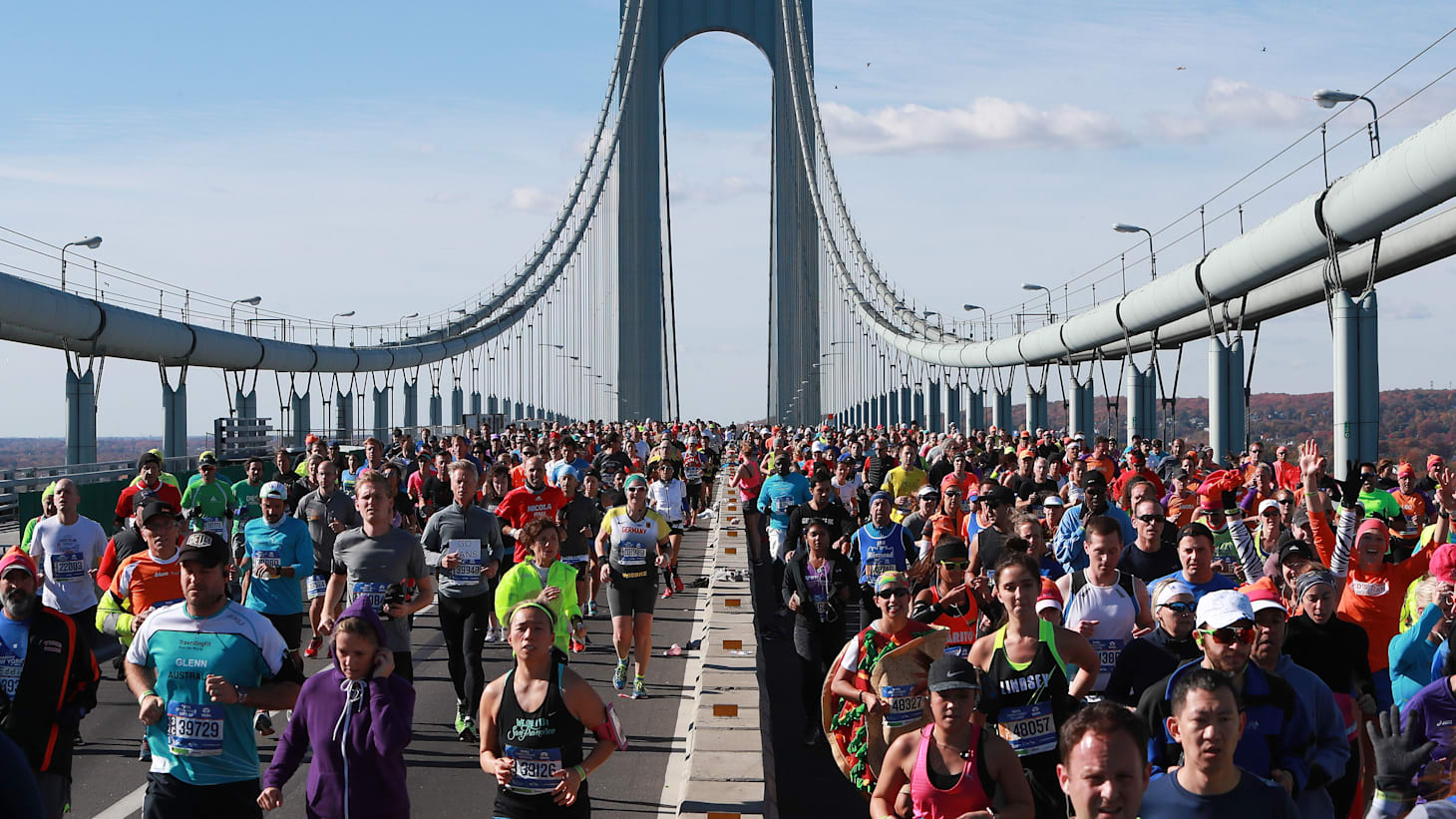
Picture by Michael Reaves/Getty Images
This weekend, while autumn begins to cool the roads in the northern hemisphere, Sydney is living its moment under the Australian spring sun. The TCS Sydney Marathon runs its second edition as a full member of the Abbott World Marathon Majors, the circuit that brings together the six most prestigious marathons on the planet. If you've ever dreamed of crossing the Sydney Harbour Bridge with the Opera House in the background, this is the race that put that postcard on the official map of world running. And if you never had it on your radar, it's time to add it.
The Context
The World Marathon Majors were born in 2006 as an alliance between Boston, New York, Chicago, London, and Berlin, with Tokyo joining in 2013. It's the circuit that defines, year after year, who is the world's best marathoner through a points system accumulated across those six races. For nearly two decades, six was the magic number. Until 2025, when Sydney broke the mold and became the first—and so far only—addition since the system's creation.
Why Sydney? Because it meets what these races need: a city with world-class infrastructure, a spectacular course that crosses iconic monuments, and a running community that was already filling the streets long before earning the Majors seal. The course takes the runner from the urban heart, crosses the most photographed bridge in Oceania, and closes in front of the Opera House, in a finish that seems designed for social media but actually honors a tradition: the Majors always end where the city shows its best face.
For the amateur runner, this matters more than it might seem. Being a Major means demanding qualifying standards, an elite field of the highest level, and—key for those dreaming of completing all six—a new checkbox on the list of "marathons you have to run once in your life." The Six Star Finisher Medal, that goal that motivates thousands of recreational runners to plan years of travel and training, now has one more chapter.
What the Science Says
Running a marathon in Sydney in September presents a particular physiological challenge: temperatures that typically hover around 18-22°C with possible marine humidity, a middle-ground scenario that demands specific preparation. The evidence on heat acclimatization is clear: the human body can adapt remarkably to thermal stress in 10 to 14 days of controlled exposure, improving plasma volume and sweating capacity, which translates to better performance when conditions aren't ideal (Lorenzo et al., 2010). Anyone traveling from the northern hemisphere, leaving European or North American cold for Australian spring, should take this seriously.
Hydration also comes into play. Fluid and electrolyte replacement recommendations are not generic: they depend on individual sweating rate, effort duration, and environmental conditions (Shirreffs & Sawka, 2011). A marathon with midmorning sun—as Sydney typically runs—multiplies the importance of a personalized, not improvised, hydration plan.
On the other hand, pacing management remains the great differentiator between finishing strong or suffering the last 10K. Research on pace variability in marathons shows that the most successful runners maintain smaller pace fluctuations between segments, avoiding the classic "flying out of the gates" in the first kilometers of pure adrenaline—something tempting when you're crossing an iconic bridge surrounded by crowds (Cuk et al., 2024).
What It Means for You
If Sydney makes it onto your list of dream marathons, there are practical decisions you can make now:
- Plan your heat acclimatization. If you're traveling from cold climates, add at least an extra week at your destination, or train with additional layers in the weeks before to simulate heat stress.
- Design your hydration strategy in advance, not on race day. Know your sweating rate from training sessions in similar temperature and humidity.
- Resist the bridge's temptation. The first kilometers with euphoric crowds and spectacular scenery are the most dangerous moment to burn reserves you'll need at kilometer 35.
- If this is your fifth or sixth Major, remember that travel logistics and jet lag also affect performance—add buffer days before the race start.
Sydney is no longer just a postcard. It is, officially, part of the serious conversation in world running.
References
- Lorenzo S, Halliwill JR, Sawka MN. "Heat acclimatization improves exercise performance." J Appl Physiol (1985), 2010. https://pubmed.ncbi.nlm.nih.gov/20724560/
- Shirreffs SM, Sawka MN. "Fluid and electrolyte needs for training, competition, and recovery." J Sports Sci, 2011. https://pubmed.ncbi.nlm.nih.gov/22150427/
- Cuk I, Markovic S, Weiss K. "Running Variability in Marathon-Evaluation of the Pacing Variables." Medicina (Kaunas), 2024. https://pubmed.ncbi.nlm.nih.gov/38399506/
Original source
Olympics.com ↗Never miss an edition.
Get the running news brief and analysis straight to your inbox. No spam, unsubscribe anytime.