Enric Mas Conquers His First Grand Tour by Winning the 2026 Vuelta a España
September 17, 2026
https://img.olympics.com/images/image/private/t_s_16_9_g_auto/t_s_w1460/f_auto/primary/ld5gk1uvh2jcm88qlu0n
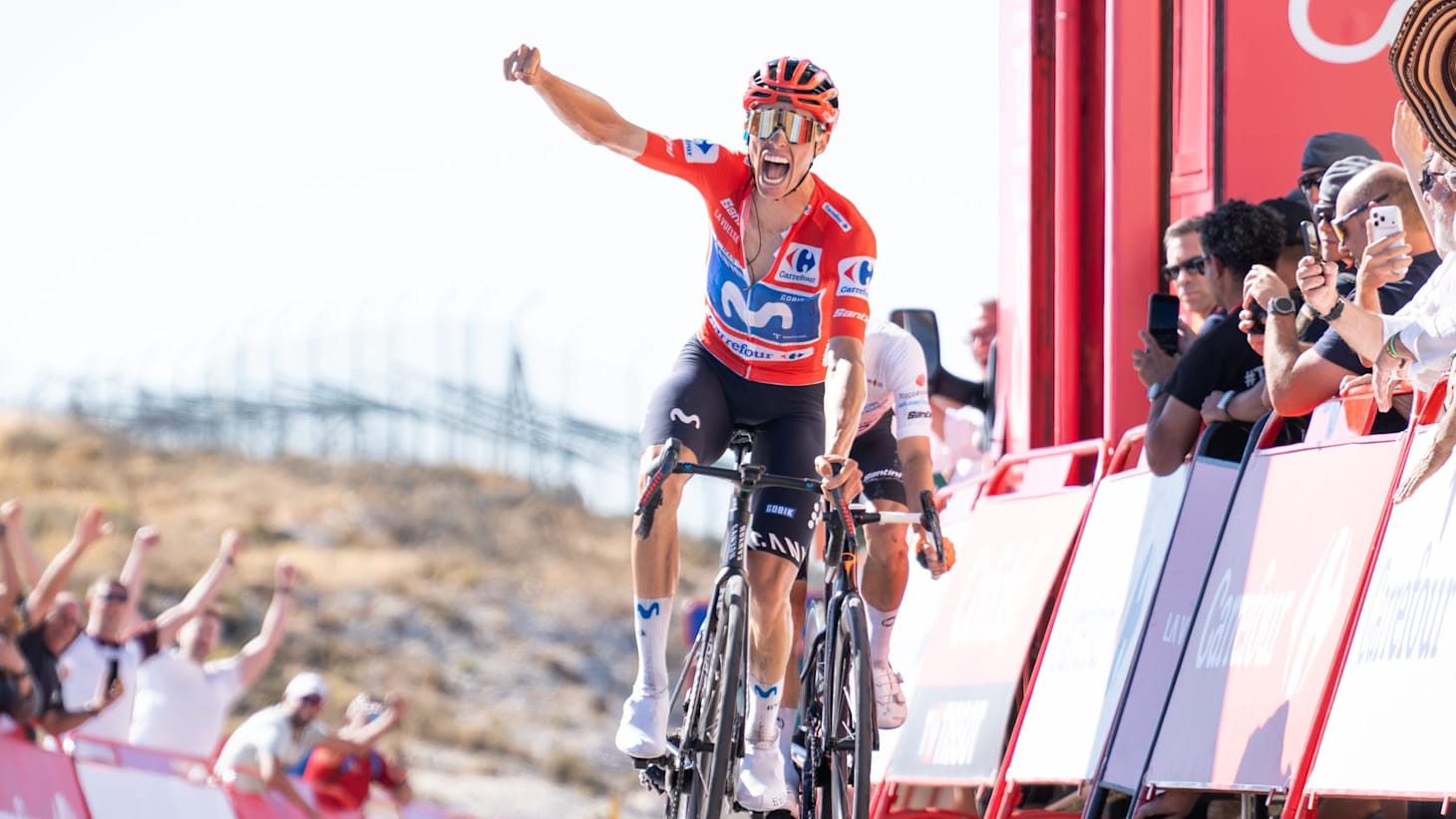
Twelve years. That's how long Spanish cycling had to wait to see a local rider lift the Vuelta trophy at the top of the podium again. Enric Mas, that cyclist who for years carried the label of "eternal second" in the grand tours, finally broke the curse and was crowned champion of the 81st edition of the Vuelta a España, taking over from Alberto Contador as the last Spanish winner, back in 2014. If you're one of those who follows road cycling with passion, this is one of those titles that feels like a reckoning with history.
The Context
The Vuelta a España is one of the three grand stage races in world cycling, along with the Giro d'Italia and the Tour de France. We're talking about three weeks of racing, over 3,000 kilometers, brutal mountains, and a physical and mental toll that few sports demand so consistently. Winning the general classification means not only having the legs to attack on a particular climb, but managing accumulated fatigue day after day, recovering between stages, sustaining power when your body no longer wants to respond, and making intelligent tactical decisions over 21 days.
Mas came from a race filled with podiums and near-victories at the Tour de France, always in the shadow of giants like Tadej Pogačar or Jonas Vingegaard. This Vuelta establishes him as an absolute leader, and it does so in a year where the peloton gave nothing away: Primož Roglič, a serial winner of this same race, and Felix Gall completed a podium of the highest level. The local cherry on top came from Mikel Landa, who won over fans by conquering the queen stage on the road to Granada, the kind of victory that gets etched in the collective memory of Spanish cycling fans.
What Science Says
Winning a three-week race is not about a single brilliant day; it's an exercise in managing fatigue over the long term. The review by Azevedo and colleagues (2021) on fatigue development in self-paced exercise explains something key: fatigue is not just a muscular phenomenon, but an integrated response where the brain constantly adjusts effort based on peripheral signals and perceived exertion. In a 21-stage race, that ability to "ration" suffering day by day—knowing when to attack and when to simply survive—is what separates the general classification winner from someone who wins individual stages.
Nutrition also plays a decisive role. The review by Cao and colleagues (2025) on carbohydrate supplementation strategies in elite endurance performance points out that precise periodization of intake—adjusting quantity and timing based on the demands of each stage—is crucial for sustaining performance during long-duration events. No cyclist wins a grand tour on legs alone; the logistics of glucose replenishment stage after stage is a parallel race that runs in the shadows.
Add to this the increasingly sophisticated use of technology: continuous glucose monitoring (Flockhart & Larsen, 2024) allows elite teams to adjust each rider's nutritional strategy in real time, something that would have been unthinkable in the peloton just a decade ago.
What It Means for You
You don't need to race the Vuelta a España to apply these lessons to your training. If you're preparing for a long race—a marathon, an ultra, or even a demanding training block lasting several weeks—think about these three points:
- Ration your effort with the big picture in mind, not just one day: just as Mas managed his strength to arrive strong in the final week, you also need to think about your training plan in blocks, not isolated sessions.
- Nutrition is not a detail, it's strategy: adjusting your carbohydrate intake based on the demands of each session (not eating the same thing all the time) can make the difference in your week-to-week recovery.
- Fatigue is also mental: train your ability to tolerate discomfort progressively. That "management of suffering" that made Mas champion is a trainable skill, not an innate talent.
Enric Mas's victory was not a stroke of luck from one day: it was the result of three weeks of intelligent decisions. The next time you feel your long race getting tough, remember that the true champion is not the one who goes fastest on day one, but the one who best manages their energy until the last kilometer.
References
- "Fatigue development and perceived response during self-paced endurance exercise: state-of-the-art review." — Azevedo RA, Silva-Cavalcante MD, Lima-Silva AE, Eur J Appl Physiol 2021. https://pubmed.ncbi.nlm.nih.gov/33389141/
- "A Review of Carbohydrate Supplementation Approaches and Strategies for Optimizing Performance in Elite Long-Distance Endurance." — Cao W, He Y, Fu R, Nutrients 2025. https://pubmed.ncbi.nlm.nih.gov/40077786/
- "Continuous Glucose Monitoring in Endurance Athletes: Interpretation and Relevance of Measurements for Improving Performance and Health." — Flockhart M, Larsen FJ, Sports Med 2024. https://pubmed.ncbi.nlm.nih.gov/37658967/
Original source
Olympics.com ↗Never miss an edition.
Get the running news brief and analysis straight to your inbox. No spam, unsubscribe anytime.