Nike Launches Hybrid, Its New Shoe System for Hybrid Training and Racing
August 5, 2026
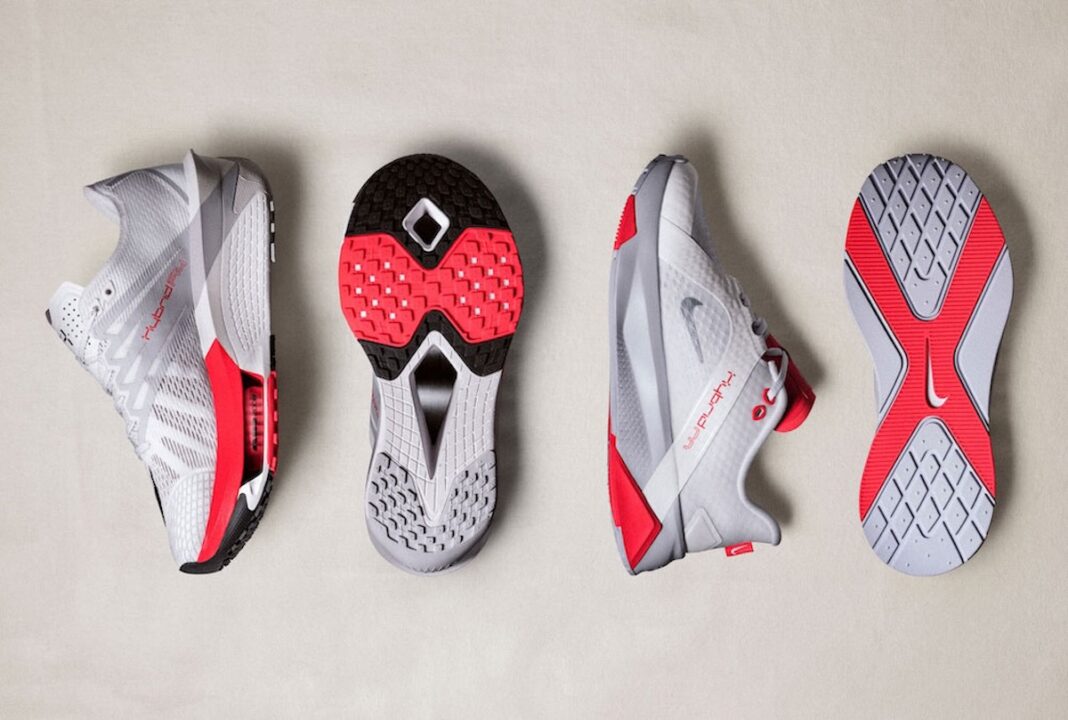
Foto Nike.com
If you've ever finished a CrossFit class with your running shoes ruined—or tried to run a 5K in your strength training shoes and felt like you were running in bricks—this news is for you. Nike just announced Nike Hybrid, a shoe system designed specifically for the hybrid athlete: that person who in the same week (sometimes in the same session) combines running, weightlifting, and high-intensity functional work. It's not just another shoe: it's official recognition that a new type of athlete is here to stay, and needs tools designed for them.
The context
Hybrid training—mixing cardiovascular endurance with strength and power—has gone from a niche trend to one of the most popular training methods right now. Obstacle course races, Hyrox, CrossFit, and "hybrid training" programs are filling gyms and competition calendars worldwide. The historical problem: footwear. A running shoe is optimized for cushioning and stride efficiency; a training shoe is designed for lateral stability and a flat support surface for squats or lifts. Asking the same model to do both well is, technically, a compromise.
Nike Hybrid responds with two products, not one. The Hybrid RN is the everyday model: mixed training, intervals, strength work, and running miles, available in China starting September 24 and globally October 8 of this year. The Hybrid Fly is the competition version, designed for hybrid race day, and won't arrive until April 2027—a much longer development, typical of a plated performance shoe that demands more iteration.
That a brand like Nike builds a complete system "from scratch" for this discipline is a clear signal: the hybrid athlete is already a serious segment, not a passing trend.
What the science says
The logic behind why hybrid training works—and why it needs specific equipment—has support. One of the most solid findings of recent years is that strength directly improves running performance. The Zanini et al. (2025, Med Sci Sports Exerc) study showed that strength training improves the "durability" of running economy and high-intensity performance when the runner is already fatigued—exactly what happens to a hybrid athlete when chaining squats with a running session.
That clash of demands—strength and endurance in the same session—is also where the challenge of fatigue appears. The Azevedo et al. (2021, Eur J Appl Physiol) review on fatigue development in self-paced exercise explains how the body manages perceived effort when combining different stimuli, something central to understanding why a shoe that fails in the transition (from running to lifting, or vice versa) can accelerate that fatigue or increase the risk of a poor footstrike.
There are no specific published studies on the Nike Hybrid itself (it's a just-announced product), but the design principle—specialized footwear according to biomechanical demand—is consistent with the literature on preventing overuse bone injuries, where Warden et al. (2014, J Orthop Sports Phys Ther) emphasize that support surface and impact type directly influence injury risk.
⚖️ PMP Verdict
This launch serves a very specific audience: the athlete who trains hybrid disciplines seriously and regularly—Hyrox, competitive CrossFit, obstacle course races—and who today gets by with one pair of generic shoes. For that athlete, having a training model (RN) and a competition model (Fly) is a real improvement in specificity.
It's not for you if you're a pure road runner who occasionally does strength training at the gym in flat shoes: your priority is still an efficient running shoe, not a hybrid. And watch the hype: the Hybrid Fly doesn't arrive until 2027, so for now only the RN is a real option, and it's worth waiting for user reviews before replacing your current shoes.
For your training
If you train hybrid, don't wait for the shoe to act: science already tells you what to do. Add structured strength to your running plan (squats, deadlifts, lunges) knowing it improves your economy kilometers after fatigue sets in. And if you're going to try the Hybrid RN in October, do it first in your mixed training sessions, not on the day of an important race—give it at least 3-4 weeks of adaptation before trusting it for a competition.
References
- Zanini M, Folland JP, Wu H. "Strength Training Improves Running Economy Durability and Fatigued High-Intensity Performance in Well-Trained Male Runners: A Randomized Control Trial." Med Sci Sports Exerc, 2025. https://pubmed.ncbi.nlm.nih.gov/40016936/
- Azevedo RA, Silva-Cavalcante MD, Lima-Silva AE. "Fatigue development and perceived response during self-paced endurance exercise: state-of-the-art review." Eur J Appl Physiol, 2021. https://pubmed.ncbi.nlm.nih.gov/33
Original source
NIKE, Inc. Newsroom ↗Never miss an edition.
Get the running news brief and analysis straight to your inbox. No spam, unsubscribe anytime.